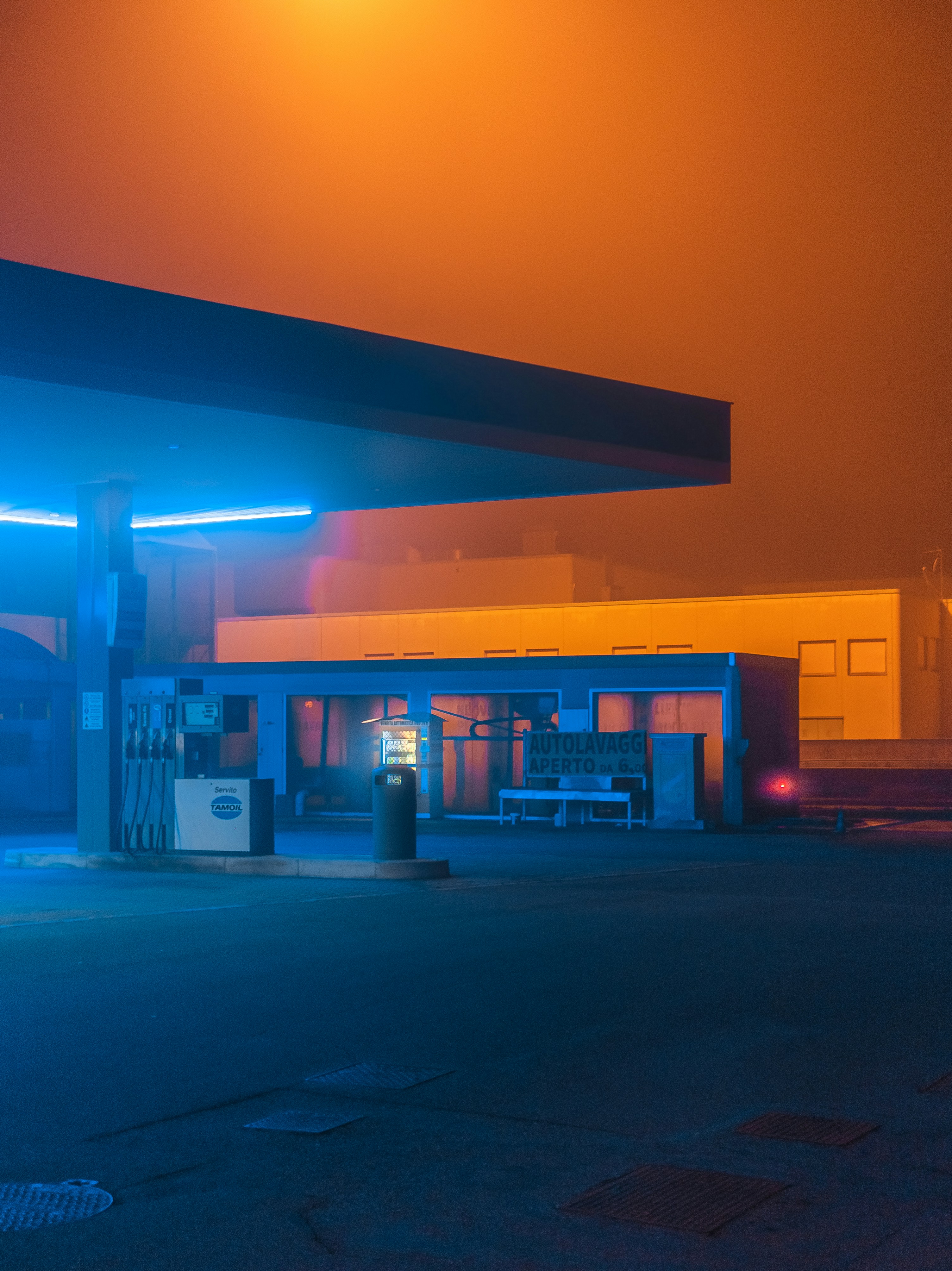
Time as sensation
In drifting cinema, time stops being a measurement and becomes a texture. Directors like Apichatpong Weerasethakul and Chantal Akerman don’t just depict long takes—they make you live inside them. “Tropical Malady” lingers in the jungle like a memory refusing to fade, while “Jeanne Dielman” turns domestic ritual into existential unease. These films demand patience, not as a barrier, but as a portal.
The reward? A heightened sensitivity to sound, shadow, and breath. The smallest gestures—a glance, a pause—carry tectonic weight.
Image as hypnosis
Visually, drifting films often lean into repetition and minimalism. Empty hallways. Static skies. Long shots of rooms where nothing happens—but something is happening. Claire Denis’s “Beau Travail” turns muscle and motion into choreography. James Benning’s landscapes whisper through silence. The point isn’t to escape into a story, but to become attuned to what’s right in front of you.
This cinema invites you to lose your grip—and find something in the fall.
Drifting as resistance
In a media landscape dominated by jump cuts, streaming thumbnails, and autoplay urgency, these films resist compression. Their refusal to entertain on command becomes a form of protest. They ask: what if slowness isn’t inefficiency, but intention?
That’s what makes them radical. They offer space in a world that closes in.
Microcinema, memory, and marginalia
The drift is alive in today’s microcinema circles: Vimeo shorts, Super 8 experiments, even TikToks that quietly loop stillness. Artists like Tana Quilici and Maya Iwataki are creating short films that barely breathe above a whisper. On Letterboxd, entire communities share lists with titles like “films that feel like fever dreams” and “movies to float inside.”
The frame becomes a diary. The cut, a soft inhale.
Final thoughts
These films don’t move toward conclusions. They hover. They haunt. To drift is to allow space between moments—and to trust that meaning might arise there. These works won’t always explain themselves, but they will change how you see. Not louder. Not faster. Just deeper. Just slower.


