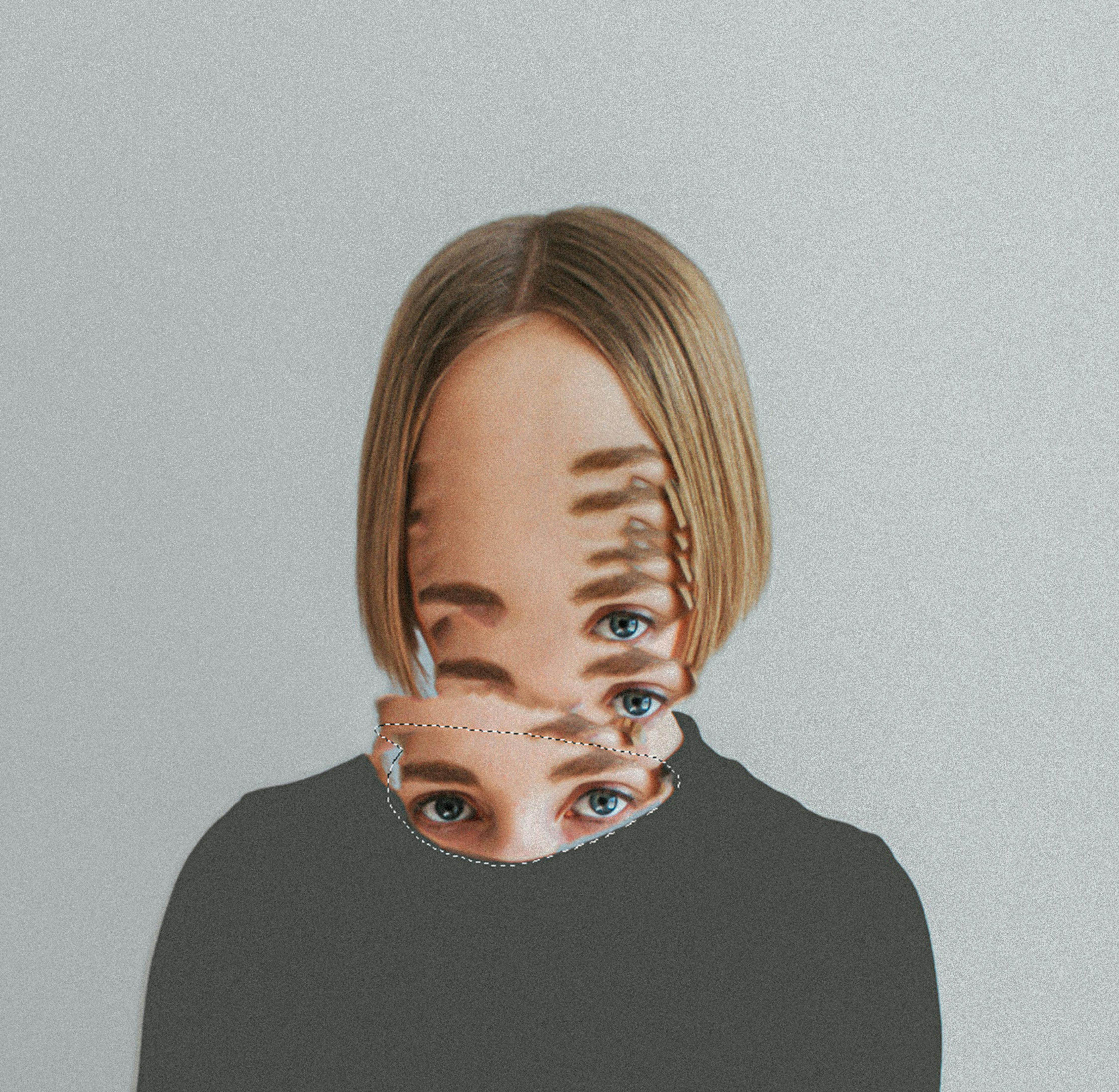
The aesthetics of un-clarity
Directors like Ana Lily Amirpour and Lucrecia Martel reject visual sharpness. Faces hover behind curtains, through plastic sheeting, inside reflections. In “Zama,” whole identities vanish into humidity. In “A Girl Walks Home Alone at Night,” we never quite know who—or what—the girl is. These filmmakers use obfuscation not to distance us, but to draw us closer. Obscurity becomes a form of intimacy.
Faces behind veils
Plastic wrap, fogged glass, underwater shots—these are more than stylistic choices. They're metaphors for emotional inaccessibility. Short films by Shirin Abassi and experimental works from collectives like Night Fault use obscured portraits to depict dissociation, cultural erasure, and the ache of being perceived too much—or not enough.
The face becomes terrain, not destination.
Hidden in plain sight
This isn’t about invisibility. It’s about partial visibility—what critic Noura El-Ghazzi calls "interrupted exposure." The subject is present, but unreachable. Their body is framed, but their essence flickers. Like memory, like myth.
In this way, cinema mirrors identity itself—forever constructed, forever dissolving.
Final thoughts
In a culture obsessed with clarity—4K cameras, face unlock, algorithmic tagging—these films reclaim blur. They remind us that knowing isn’t always seeing. That sometimes, the most honest portrait is one that obscures.


